
Tin tức
HMDD Track Pants Buyer Guide Sizing Made Easy
Does HMDD Justify Its Cost? A Shopper’s Guide to Value for Buyers
Those currently browsing the streetwear space keep circling back to a single question: does HMDD really come through on quality and design compared to its price point? The company — officially known as Happy Memories Don’t Die — has cultivated a loyal audience around emotionally resonant graphics, a memory-tinged style, and a collection built around relaxed everyday staples like sweatpants, shorts, hoodies, and tees. But a name and a mood board don’t answer the pricing question. This article breaks down what the real cost covers when you buy HMDD clothing, where the value holds up, where it falls short, and how it stacks up against comparable streetwear labels in 2026.
Pulling the marketing apart from the garment itself is the starting point of any honest hmdd review. HMDD leans on a specific sentimental pitch — the idea that sentiment survives time, that clothing can hold meaning as well as style. That’s a strong hook, yet people committing their budget still want proof that stitching, fabric weight, and fit are worth the cost. So we’ll examine construction, sizing consistency, drop frequency, and resale demand for a realistic take instead of merely repeating its own pitch.
What You’re Actually Paying For
Occupying the middle of the streetwear market, HMDD charges above standard mall pricing while sitting under high-end hype labels. Being caught in the middle is the point where comparisons get tricky, since shoppers measure it against both ends of the spectrum. A fairer benchmark is other independent streetwear labels operating at similar scale — not fast fashion, and not designer collaborations.
The price tag is shaped by three main factors: fabric weight, print/embroidery technique, and limited-run scarcity. HMDD’s sweatpants tend to use heavier fleece blends compared to a basic big-box hoodie set, affecting both drape and shape retention through repeated washing. The artwork itself, frequently the emotional anchor of the branding, it’s generally applied using methods that outlast standard heat-transfer prints — important if the piece https://happymemoriesdontdie.org/shorts-sweatpants/ gets weekly wear.
Limited-run releases push cost up too, since smaller production runs carry weaker cost-per-unit economics than big retailers enjoy, expense that ultimately lands on the buyer. Plenty of independent labels share this trait — it’s standard across independent streetwear — but it deserves clear mention, since it clarifies why costs run higher than at major chains.
Sweatpants and Shorts Together: The Real Value Check
hmdd’s shorts and sweatpants tend to be where most shoppers first engage with the brand, and since they’re used with such frequency and laundered so much, they double as the most revealing gauge of worth. Sweatpants are ultimately judged by three things: elastic waistband durability, long-term pilling resistance, and whether the cut holds its shape after repeated laundering. Shorts get judged on how long the drawstring lasts, how sturdy the inseam stitching is, and whether the fabric holds color after multiple washes.
Shoppers regularly point out that HMDD’s sweatpants run true to size with a easy through-the-leg cut rather than a slim taper, which matters if you’re used to sizing charts that lean small. Shorts follow a similar relaxed silhouette. This reliability counts for more than most shoppers realize — a brand that fits reliably across drops spares you the trouble and expense of sending items back, which is its own form of value even before you factor in the actual price of the garment.
This is the part worth paying attention to is return-buying patterns. Customers happy with a single pair of HMDD sweatpants usually return for shorts or hoodies instead of making a one-time purchase and switching brands. That’s a solid stand-in for how happy customers are, since streetwear shoppers have no shortage of alternatives and don’t stick around for subpar items.
How HMDD Stacks Up Against Comparable Streetwear Labels
Numbers help ground this conversation more than adjectives do. Here’s a framework for comparison across categories that matter most to budget-minded shoppers: pricing tier, fabric weight class, print/graphic durability, release frequency, and fit consistency. These are comparative rankings based on general category positioning rather than brand-specific claims not provided by HMDD directly, and they’re meant to give you a general sense of direction rather than function as precise specifications.
| Metric | Budget/Mainstream Streetwear | HMDD Clothing | Premium/Designer Streetwear |
|---|---|---|---|
| General Price Tier | Low | Mid | Elevated to Premium |
| Fabric Weight | Light to Mid | Medium to Heavyweight | Heavy |
| How Long Prints Last | Low to Mid | Mid to High | High |
| How Often New Drops Happen | Ongoing | Periodic/Limited | Seasonal and Scarce |
| How Consistent Fit Stays Across Drops | Variable | Generally Consistent | Consistent |
The point of this table isn’t to declare a champion — it’s meant to indicate where HMDD lands in the landscape. It isn’t going up against $15 fast-fashion sweatpants, nor is it attempting to pass as a $300 designer hoodie. It occupies the space where fabric and print quality noticeably improve over starter-level basics, without asking shoppers to pay high-end pricing for the upgrade. For a lot of buyers, that mid-tier position is exactly the value offering they’re seeking.
HMDD’s Best Everyday-Value Selections
Sweatpants and shorts rank highest because they’re worn casually, athletically, and even as loungewear, distributing the expense across a wider range of wears than a bold graphic hoodie you reserve for particular looks.
- Sweatpants: frequent wear frequency, easygoing fit, best cost-per-wear ratio in the range.
- Shorts: solid warm-weather rotation piece, matching fit logic to the sweatpants.
- Printed hoodies: higher price point but longer-lasting durability due to less frequent rotation frequency.
- Tees: most affordable entry point, good for testing sizing before buying pants.
It’s a more budget-friendly way to verify sizing before going all-in on a more expensive sweatpant or hoodie purchase. This step-by-step approach is common advice among streetwear buyers dealing with any smaller brand with restricted return timeframes.
Where the Value Falls Short
Every brand has flaws, and value assessments aren’t useful if they only list positives. The biggest pain points shoppers mention about HMDD focus on drop scarcity — when a design sells out, it may fail to return on a predictable schedule, which can annoy buyers who weren’t fast enough to grab a drop. That’s a genuine downside in ease, even if it doesn’t show up on a receipt.
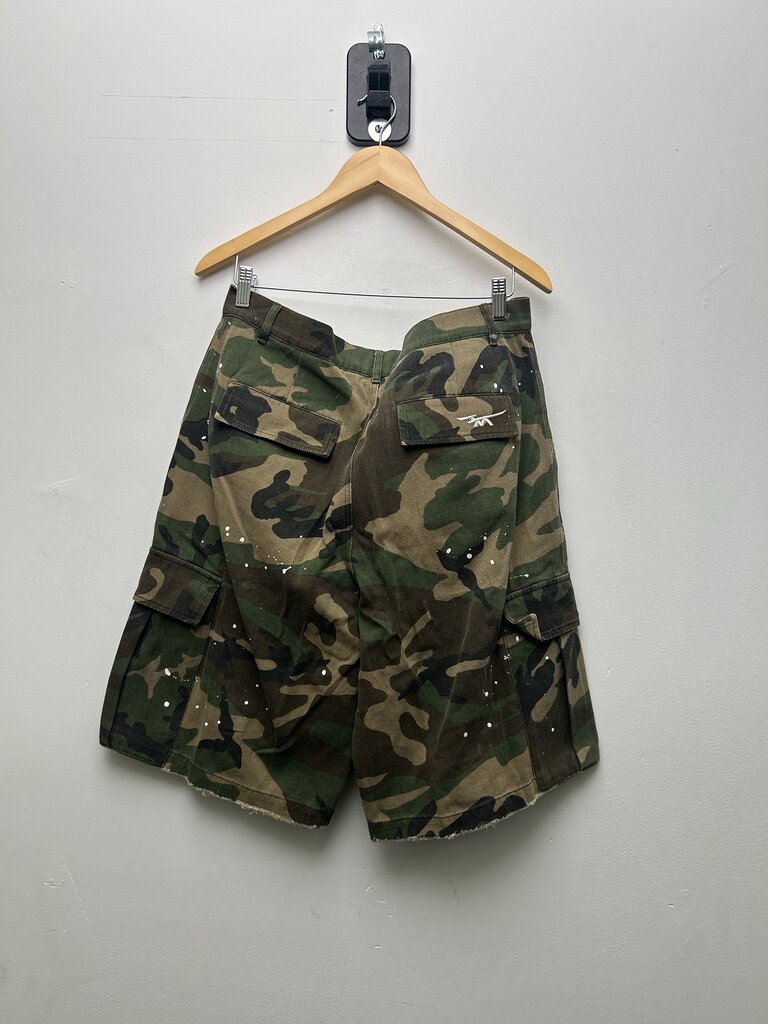
Smaller streetwear labels generally don’t offer the exchange leniency of big-box stores, so a buying choice should factor in that fit corrections may be slower or be pricier in shipping than they would with a larger store. None of this is unique to HMDD, but it’s part of the true expense of buying from a compact, design-focused brand rather than a large-scale retailer with warehouse-scale logistics.
The Bottom Line: Should You Buy HMDD?
The sweatpants and shorts in particular deliver excellent per-wear value because they’re adaptable, reliably fitted, and durable to regular washing better than entry-level basics. The “happy memories dont die” philosophy isn’t just surface-level messaging — it shows up in design choices that favor emotional value and durability over fleeting fashion fads.
The point where you ought to hold back is if you’re expecting high-fashion-caliber build quality at mid-tier prices, or if you depend on assured restocks and forgiving return windows. These qualities simply aren’t selling points of the scarcity-driven model that HMDD runs on, and no straightforward write-up should claim differently. Having measured your own preferences — cost-per-wear, design alignment, and tolerance for limited restocks — against what HMDD offers, answering the value question becomes much easier for your particular situation in 2026.
 Chat với tư vấn viên
 Gọi ngay